Our Services

Araco Group LLC
StoreEase
Araco Group LLC
Engineering Plans 1
Araco Group LLC
Araco Pumping 3

WHAT WE DO

OUR SERVICES

Araco Concrete delivers expertly 
engineered concrete foundations From shallow footings to deep 
foundation systems, our team 
ensures structural stability and 
precision with every pour.
for buildings of all sizes. 

Araco Civil installs comprehensive 
utility infrastructureincluding 
storm drains, water lines, sewer 
systems, and conduits. Our 
experienced civil crews handle 
complex trenching, permitting, 
and inspections with accuracy 
and efficiency.

Araco Pumping provides reliable 
concrete pumping services for large pours and inaccessible 
locations.  Our modern fleet includes boom pumps and line pumps for efficient concrete placement across al job types.

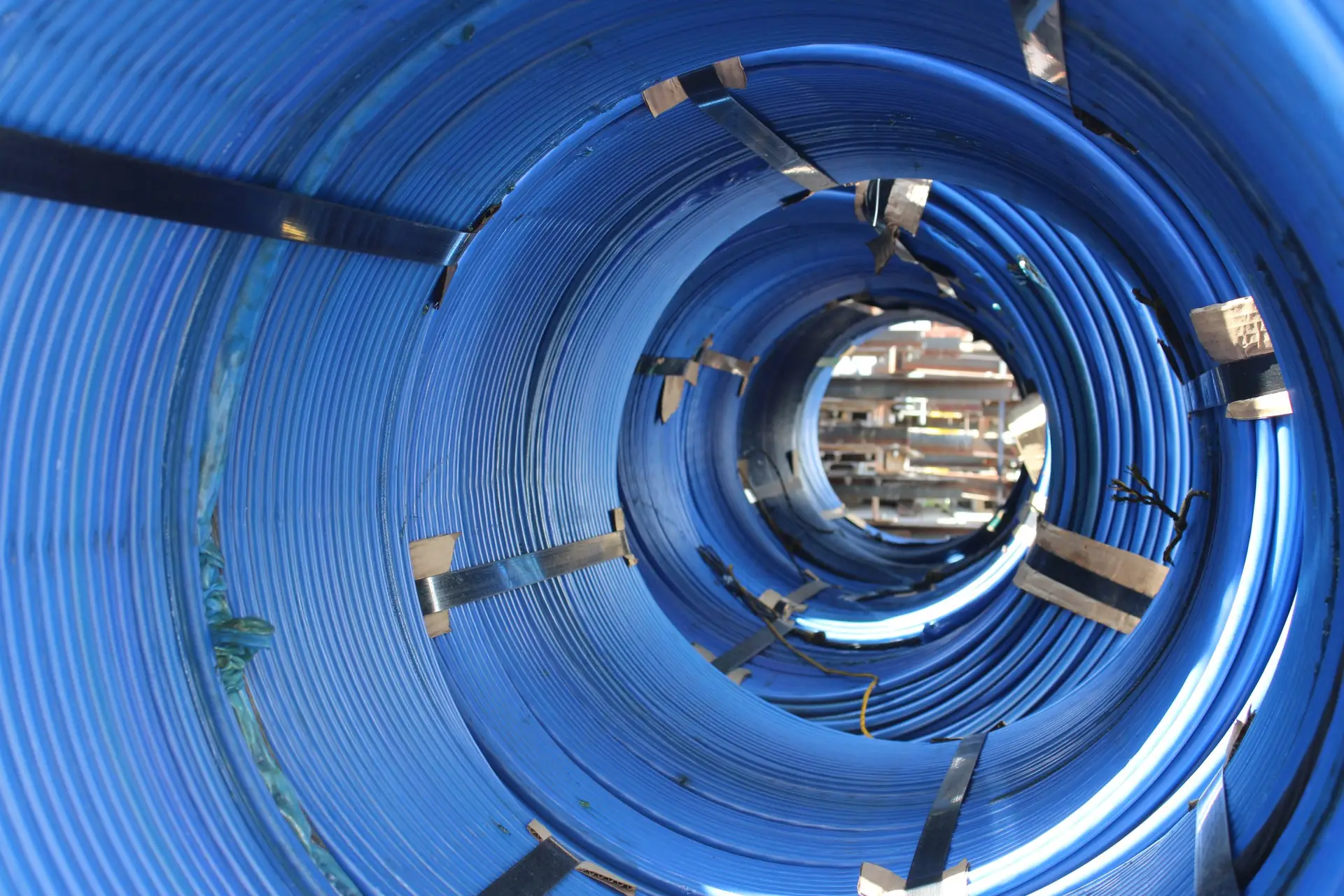
Araco Group is the only post-tension cable fabrication provider in Colorado Springs, delivering high-performance solutions for concrete contractors, builders, and developers.

WHAT WE DO

INDUSTRIES WE SERVE

MIXED USE
MULTIFAMILY
HOSPITALITY
STORAGE
FUEL STATIONS
PARKING LOTS
RETAIL
INDUSTRIAL
PUBLIC USE
SCHOOLS

OUR PROVEN PROCESS

The Concrete Construction Process: Step-by-Step

The concrete construction process is a systematic journey that converts raw materials like cement, water, and aggregates into durable, long-lasting structures. Each stage is critical for ensuring the strength and longevity of the final product. The concrete construction process is a meticulous, multi-stage operation starting with planning and site preparation, followed by erecting formwork and placing reinforcing steel (rebar). Concrete is then mixed, poured, and finished before undergoing a curing process—crucial for strength—to ensure the structural integrity of foundations, walls, or slabs

STEP 1: PLANNING & DESIGNING

Before any concrete is poured, thorough planning and design are crucial. This stage involves: 

  • Site Analysis – Engineers and architects analyze soil conditions, environmental factors, and load-bearing capacities. 

  • Blueprint Creation – Detailed plans are drawn to ensure structural integrity. 

  • Permit Acquisition – Local building codes and regulations must be met before construction begins. 

  • Material Selection – Choosing the right type of concrete mix, reinforcements, and additives to suit the project’s needs. 

STEP 2: SITE PREPARATION

Proper site preparation ensures a stable foundation for the concrete. The key tasks in this phase include: 

  • Clearing and Excavation – Removing vegetation, debris, and topsoil to create a level worksite. 

  • Soil Compaction – Compacting the soil to prevent settlement and foundation failure. 

  • Formwork Installation – Wooden, metal, or plastic forms are placed to shape the concrete as it sets. 

  • Reinforcement Placement – Steel bars (rebar) or mesh are laid inside the forms to strengthen the concrete. 

STEP 3: MIXING THE CONCRETE

The mix's quality determines the final structure's strength and durability. Concrete is composed of four primary materials: 

  • Cement – The binding agent that hardens and holds the mixture together. 

  • Aggregates – Sand, gravel, or crushed stone provide bulk and stability. 

  • Water – Essential for the hydration process, which enables the cement to harden. 

  • Additives – Chemical or mineral substances that improve workability, durability, or curing times. 

Concrete can be mixed on-site or delivered from a ready-mix plant, depending on the scale of the project. 

STEP 4: POURING THE CONCRETE

Once mixed, the concrete is transported to the site and poured into the prepared forms. The pouring process requires careful execution to avoid issues such as air pockets, weak spots, and inconsistencies. 

  • Placing the Concrete – The mix is poured in layers to ensure uniformity. 

  • Vibration and Consolidation – Mechanical vibrators remove air pockets and ensure even distribution. 

  • Screeding – A straight edge is used to level the surface and remove excess concrete. 

  • Floating – A float smooths the surface and brings fine aggregates to the top. 

STEP 5:CURING & HARDENING

Curing is one of the most critical steps in the concrete construction process. It ensures that the concrete achieves its full strength and durability. 

  • Moisture Retention – Watering or covering the surface with plastic sheeting helps retain moisture. 

  • Curing Compounds – Chemical sprays can slow down moisture evaporation. 

  • Temperature Control – Concrete must be protected from extreme heat or cold to prevent cracking. 

  • Curing Time – Typically, concrete reaches 70% of its full strength in seven days and full strength in 28 days. 

STEP 6: FINISHING & SURFACE TREATMENT

Curing is one of the most critical steps in the concrete construction process. It ensures that the concrete achieves its full strength and durability. 

  • Moisture Retention – Watering or covering the surface with plastic sheeting helps retain moisture. 

  • Curing Compounds – Chemical sprays can slow down moisture evaporation. 

  • Temperature Control – Concrete must be protected from extreme heat or cold to prevent cracking. 

  • Curing Time – Typically, concrete reaches 70% of its full strength in seven days and full strength in 28 days. 

STEP 7: QUALITY CONTROL & INSPECTION

Curing is one of the most critical steps in the concrete construction process. It ensures that the concrete achieves its full strength and durability. 

  • Moisture Retention – Watering or covering the surface with plastic sheeting helps retain moisture. 

  • Curing Compounds – Chemical sprays can slow down moisture evaporation. 

  • Temperature Control – Concrete must be protected from extreme heat or cold to prevent cracking. 

  • Curing Time – Typically, concrete reaches 70% of its full strength in seven days and full strength in 28 days. 

STEP 8: MAINTENANCE & LONGEVITY

Curing is one of the most critical steps in the concrete construction process. It ensures that the concrete achieves its full strength and durability. 

  • Moisture Retention – Watering or covering the surface with plastic sheeting helps retain moisture. 

  • Curing Compounds – Chemical sprays can slow down moisture evaporation. 

  • Temperature Control – Concrete must be protected from extreme heat or cold to prevent cracking. 

  • Curing Time – Typically, concrete reaches 70% of its full strength in seven days and full strength in 28 days. 

WHY CONCRETE?

Why Choose Concrete for Construction?

Concrete is a preferred construction material due to its exceptional durability, fire resistance, and long-term cost-efficiency. It provides structural strength, requires minimal maintenance, and is versatile, offering excellent thermal mass for energy efficiency. Additionally, it is sustainable, eco-friendly, and resistant to pests and water damage.

Concrete remains the preferred building material for several reasons: 

DURABILITY

Withstands weather, fire, and heavy loads.

Suitable for roads, bridges, buildings, and more.

Provides excellent thermal mass, reducing heating and cooling costs. 

Recyclable and often made with eco-friendly materials. 

Requires low maintenance and has a long lifespan.

Free

Let’s make something great work together. Get Free Estimate